Mobile Session Planning for Pokies Cash: A Practical Review
Before you spin on a phone during a Melbourne lunch break, the real work is mapping out how much cash you want in play and how long you intend to stay there. I have spent years wiring search requirements into large platform architectures at Easygo across Stake and KICK, and the same discipline applies here: a mobile session only feels manageable when the cash route, the limits, and the exit plan are decided before the first bet. This read walks through how to plan a session around pokies cash on mobile, what to check in the cashier, and where the traps tend to hide.
Cash planning before the first spin

A solid session starts with a number you are comfortable losing, not a number you hope to double. Decide your cash ceiling, set a time boundary, and treat the two as non-negotiable once the reels start turning. When I review platform flows for search and engineering, I always push for a cashier that makes deposits and limits obvious before a player gets distracted by bonus screens or free spin promises. The same logic applies to pokies cash on mobile: if the deposit path buries your limits behind tabs, the session plan is already leaking.
A few practical steps keep the plan intact on a phone:
- Open the site on mobile and confirm the cashier shows your currency and any deposit limits before you fund the account. mine-in-out-au.com
- Set a session budget in writing, then load only that amount rather than topping up mid-spin.
- Decide a stop time, such as a hard cut-off before the arvo rush, so the phone does not keep pulling you back.
- Keep a note of withdrawal timing and any verification steps, because what leaves the cashier is not always what lands in your pocket instantly.
Comps can be useful if you are a regular, because complimentary rewards like free meals or rooms are offered to keep loyal gamblers coming back, but they should never rewrite the session budget you set at the start. Availability bias also plays tricks here: vivid wins feel more common than they are, so a couple of bright payouts do not mean the next spin is any kinder. If you want a calm session, build the limits first and let the reels sit inside them.
Cashier flow, currencies, and verification on mobile
The cashier is where a mobile session either stays tidy or turns messy, so it pays to know the payment methods, currencies, and processing steps before you deposit. On mobile, a clean flow should show the method, the currency, and any processing notes in one view rather than scattering them across menus. When I connect search requirements with engineering teams on large platforms, I look for cashier paths that do not force a player to re-enter the same details twice or guess how a payment will be handled. For pokies cash, that means understanding whether your deposit method matches your withdrawal method, what currencies are actually supported, and whether verification is required before a payout can move.
Verification is part of the flow, not an obstacle to dodge, and it usually sits between a funded account and a clean withdrawal. Expect identity checks, payment method confirmation, and sometimes a short hold while the platform checks the source of funds. Processing times vary by method, so a session plan should include what happens after you close the app, not just what happens while the reels are spinning. If you are playing on a phone between meetings or on a train into Melbourne, the last thing you want is a surprise delay because the cashier assumed a different method or currency than the one you used.
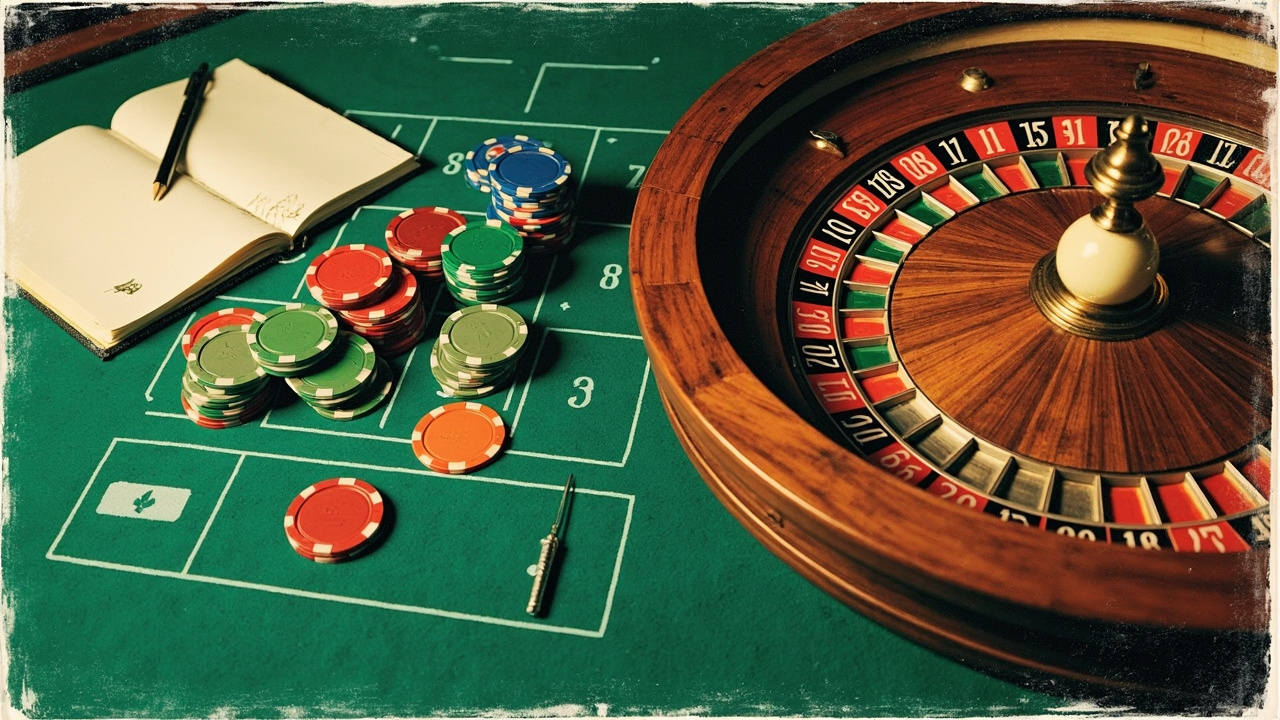
A useful habit is to test the full path once with a small amount, then scale only if the deposit, any limits, and the withdrawal route all behave the way you expected. That is how I judge whether a cashier design is actually player-friendly: not by how flashy the banner is, but by whether a person can move cash in and out without having to relearn the flow every time. If the platform is clear about limits, currencies, and verification, the session stays about the pokies instead of turning into a payment puzzle.
Session discipline, limits, and the local scene
Session discipline is what separates a planned break from a long, expensive drift, and it matters just as much on mobile as it does on a desktop. A good plan includes a cash limit, a time limit, and a rule for when you walk away, even if the screen is still lighting up nicely. Australian clubs have long used small attendance tricks to keep the room busy, like cash housie and badge draws to boost attendance, and the same psychology can follow you onto a phone if you let the pace run unattended. The difference on mobile is that the app does not tap you on the shoulder when the session has gone on long enough, so the boundary has to come from you.
If you are playing around Melbourne, the local rhythm matters too: a short session on a lunch break is a different animal from a long arvo on the couch, and your cash plan should match the setting. I have seen plenty of platform designs that look polished until you realise the session tools are buried or the limits are easy to override by accident. When I weigh those designs against what actually helps a player stay in control, the winner is usually the one that makes limits visible, repeatable, and hard to ignore once they are set. That is the sort of setup that keeps pokies cash as a planned activity rather than a slow leak.
A final check before you fund anything is to ask whether the mobile experience lets you see your balance, your limits, and your next step without hunting through menus. If it does, the session is far easier to run on your terms. If it does not, the cash you intended for a short spin can wander into a much longer one before you notice.

What is your usual mobile session routine when you play pokies for cash – do you set a hard time and budget before the first spin, or do you leave it loose and revisit it later?